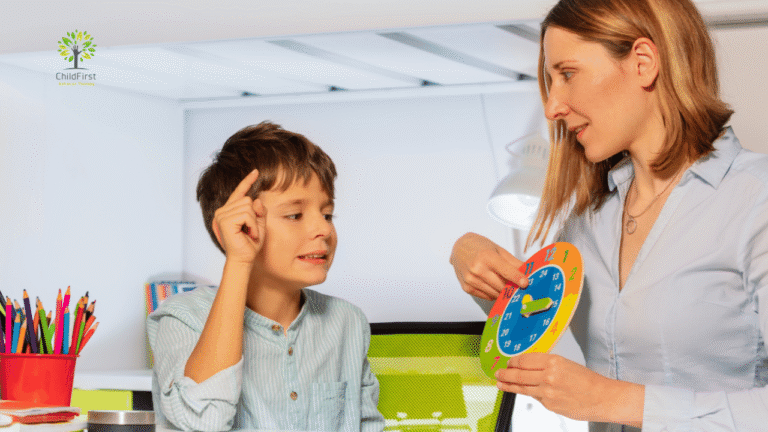
Importance of Acknowledging Autism in Children: Applied Behavior Analysis Providers
Autism, a complex neurodevelopmental disorder, has gained increased recognition in recent years. The importance of acknowledging autism in children cannot be overstated, as early identification and intervention significantly impact a child’s developmental trajectory. This article explores the multifaceted aspects of autism, emphasizing the significance of understanding, recognizing, and supporting children on the autism spectrum.
Definition of Autism
Autism, or Autism Spectrum Disorder (ASD), is a spectrum of conditions characterized by challenges in social interaction, repetitive behaviors, and restricted interests. The spectrum encompasses a wide range of symptoms and severity levels.
Prevalence of Autism in Children
The prevalence of autism has risen in recent decades, with current estimates indicating that approximately 1 in 54 children in the United States is diagnosed with ASD. This underscores the need for increased awareness and understanding.
Importance of Early Recognition
Early recognition of autism is crucial for initiating timely interventions. The first few years of a child’s life are pivotal for development, and early interventions can significantly improve outcomes.
Understanding Autism
Neurodevelopmental Aspects
Brain Function in ASD Children
Research suggests that the brains of ASD individuals may function differently, with unique patterns of connectivity and neural processing.
Cognitive Differences
ASD children may exhibit cognitive differences, such as enhanced visual-spatial abilities or intense focus on specific topics of interest.
Behavioral Characteristics
Communication Challenges
Communication challenges are common in autism, ranging from delayed speech development to difficulties in understanding non-verbal cues.
Repetitive Behaviors
Many ASD children engage in repetitive behaviors, which can serve as self-soothing mechanisms but may also interfere with daily activities.
Early Signs and Symptoms
Social Interaction Challenges
Difficulty in Making Eye Contact
ASD children may avoid making eye contact, which is a standard early indicator of social interaction challenges.
Limited Interest in Peer Activities
A lack of interest in peer activities and difficulties forming friendships can signal potential autism-related social challenges.
Communication Difficulties
Delayed Speech Development
A delay in speech development, including the absence of babbling or single-word phrases, can be an early red flag for autism.
Echolalia
Some ASD children may exhibit echolalia, repeating phrases or words without necessarily understanding their meaning.
Importance of Timely Intervention
Impact on Developmental Milestones
Untreated autism can impact various developmental milestones, including speech, motor skills, and social development.
Long-Term Effects of Untreated Autism
Academic Challenges
ASD individuals may face challenges in academic settings, requiring tailored educational approaches.
Social Isolation
Difficulties in social interactions may contribute to feelings of isolation, emphasizing the importance of intervention.
The Role of Parents and Caregivers
Observing and Documenting Behavior
Parents and caregivers play a crucial role in observing and documenting a child’s behavior, providing valuable information for diagnosis.
Seeking Professional Evaluation
Upon recognizing potential signs of autism, seeking professional evaluation from healthcare experts is essential for accurate diagnosis.
Building a Supportive Environment
Creating a supportive environment at home involves understanding and accommodating the unique needs of ASD children.
Diagnostic Process
Multi-Disciplinary Assessment
Psychological Evaluation
Psychological evaluations assess cognitive functioning, emotional well-being, and behavioral patterns.
Speech and Language Assessment
Speech and language assessments help identify communication challenges and tailor interventions accordingly.
Collaborative Approach with Healthcare Professionals
A collaborative approach involving psychologists, speech therapists, and other healthcare professionals ensures a comprehensive evaluation.
Available Therapeutic Interventions
Applied Behavior Analysis (ABA)
ABA is a widely used therapeutic approach focusing on behavior modification to enhance adaptive behaviors and reduce challenging ones.
Speech Therapy
Speech therapy addresses communication challenges, helping ASD children develop practical verbal and non-verbal communication skills.
Occupational Therapy
Occupational therapy aims to improve fine and gross motor skills, perceptible processing, and daily living skills.
Education and Inclusion
Importance of Inclusive Education
Inclusive education emphasizes providing opportunities for ASD children to learn alongside their neurotypical peers.
Tailoring Educational Strategies
Tailoring educational strategies to accommodate diverse learning styles ensures that ASD children receive optimal support.
Creating a Supportive Classroom Environment
Educators play a crucial role in creating a supportive classroom environment that fosters inclusivity and understanding.
Addressing Stigmas and Misconceptions
Breaking Down Myths about Autism
Dispelling myths and misconceptions surrounding autism is essential for fostering acceptance and understanding.
Encouraging Inclusivity in Society
Promoting inclusivity involves creating environments where ASD individuals are accepted and valued for their unique qualities.
Promoting Acceptance
Promoting acceptance goes beyond tolerance, encouraging society to appreciate and celebrate neurodiversity.
The Importance of Advocacy
Raising Awareness
Advocacy efforts focus on raising awareness about autism, dispelling stereotypes, and promoting inclusivity.
Supporting Autism Organizations
Contributing to and supporting organizations dedicated to autism research, awareness, and support is integral to advocacy.
Influencing Policy Changes
Advocacy extends to influencing policies that ensure equal rights, access to education, and healthcare for ASD individuals.
Technology and Autism
Assistive Technologies
Assistive technologies, such as communication devices and perceptible aids, enhance the independence and quality of life for ASD individuals.
Tech-Based Therapies
Virtual Reality Interventions
Virtual reality interventions offer immersive and controlled environments for therapeutic purposes.
Mobile Applications for Skill Development
Mobile applications designed for skill development provide interactive and engaging learning experiences.
Parental Support Networks
Online Communities
Online communities offer a platform for parents and caregivers to share experiences, seek advice, and offer support.
Local Support Groups
Local support groups provide an opportunity for face-to-face interactions, fostering a sense of community and shared understanding.
Sharing Experiences and Advice
Sharing experiences and advice within support networks creates a supportive community for navigating the challenges of raising an ASD child.
Future Prospects in Autism Research
Advancements in Neuroscientific Understanding
Ongoing neuroscience research contributes to a deeper understanding of the neurological basis of autism.
Emerging Therapies and Interventions
Advancements in therapies and interventions hold promise for enhancing the quality of life for ASD individuals.
Cultural Sensitivity in Autism Awareness
Recognizing Diverse Perspectives
Autism awareness should be approached with cultural sensitivity, recognizing diverse perspectives on neurodiversity.
Tailoring Support to Cultural Contexts
Tailoring support to cultural contexts ensures that interventions are relevant and respectful of individual and community values.
Breaking Cultural Barriers
Breaking cultural barriers involves addressing cultural stigmas and misconceptions related to autism.
The Financial Aspect of Autism Care
Navigating Insurance and Funding Options
Navigating insurance coverage and funding options for therapies and interventions is a critical aspect of autism care.
Advocating for Affordable Access to Therapies
Advocacy extends to ensuring that therapies and interventions are affordable and accessible to all families.
The Role of Schools and Educational Institutions
Teacher Training for Inclusive Education
Teacher training programs should emphasize strategies for inclusive education, catering to diverse learning needs.
Individualized Education Plans (IEPs) are crucial tools for tailoring educational approaches to the unique needs of ASD students.
Celebrating Neurodiversity
Shifting Paradigms Towards Inclusivity
A paradigm shift towards inclusivity celebrates neurodiversity, recognizing the value of diverse cognitive and learning styles.
Embracing Differences in Abilities
Embracing differences in abilities fosters an environment where individuals of all neurotypes can thrive.
Government Initiatives and Policies
Advocacy for Legislative Support
Advocacy efforts extend to influencing legislation that supports the rights and well-being of ASD individuals.
Ensuring Inclusive Policies in Education and Healthcare
Inclusive policies in education and healthcare ensure equal opportunities and access to services for ASD individuals.
Conclusion
In conclusion, recognizing and addressing autism in children is crucial for their well-being. Early identification and tailored interventions are essential. Parents, caregivers, and professionals play vital roles in the diagnostic and therapeutic processes. Applied Behavior Analysis (ABA) and inclusive education are practical approaches.
Dispelling myths and fostering awareness through advocacy are essential. Technology, support networks, and ongoing research contribute to improved outcomes. Embracing neurodiversity and advocating for inclusive policies ensure equal opportunities.
For more information on tailored therapeutic interventions, visit ChildFirst Behavior Therapy. Together, let’s create a supportive and understanding society for individuals with autism.
FAQs
How prevalent is autism in children?
Current estimates suggest that approximately 1 in 54 children in the United States is diagnosed with ASD, highlighting the increasing prevalence of autism and the need for heightened awareness.
Why is early recognition of autism crucial?
Early recognition is vital because interventions during the early years significantly impact a child’s developmental trajectory. The first few years are pivotal for development, and timely interventions can lead to improved outcomes.
What are the early signs and symptoms of autism?
Early signs include challenges in social interaction, difficulty making eye contact, limited interest in peer activities, delayed speech development, and repetitive behaviors like echolalia.
How does untreated autism impact developmental milestones?
Untreated autism can affect various developmental milestones, including speech, motor skills, and social development. Early interventions are crucial to address these challenges.
What is the role of parents and caregivers in the diagnostic process?
Parents and caregivers play a crucial role in observing and documenting a child’s behavior, providing valuable information for diagnosis. Seeking professional evaluation from healthcare experts is essential for recognizing potential signs of autism.
What therapeutic interventions are available for autism?
Applied Behavior Analysis Providers, speech therapy, and occupational therapy are widely used therapeutic approaches. These interventions focus on behavior modification, communication skill development, and improvement of motor skills, respectively.
How can educators support ASD children in inclusive classrooms?
Educators play a crucial role in creating a supportive classroom environment by tailoring educational strategies to accommodate diverse learning styles. Inclusive education emphasizes providing opportunities for ASD children to learn alongside their neurotypical peers.
What role does technology play in supporting ASD individuals?
Assistive technologies, virtual reality interventions, and mobile applications designed for skill development are examples of how technology enhances the independence and quality of life for ASD individuals.