Facilitating Positive Social Interactions for Autism with ABA Techniques
In the realm of Autism Spectrum Disorder (ASD), fostering positive social interactions can be a challenging yet crucial aspect of development. One approach that has gained significant attention is Applied Behavior Analysis (ABA). In this blog, we’ll delve deeper into how ABA techniques can be effectively employed to enhance peer play, creating an environment that supports the social growth of individuals with autism.
Understanding Autism and Social Challenges
Autism, a neurodevelopmental disorder, often manifests with unique communication and socialization differences. Individuals with autism may face challenges in navigating social situations, leading to difficulties in building and maintaining relationships. Peer play, a fundamental aspect of childhood, can be particularly challenging for those on the spectrum.
How Applied Behavior Analysis (ABA) Can Help?
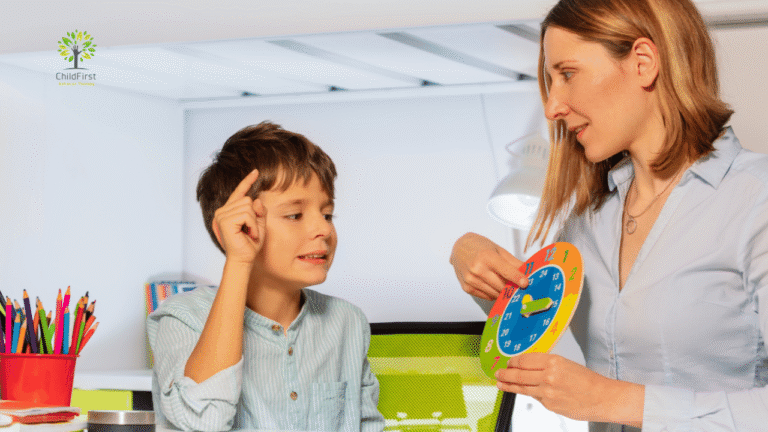
Applied Behavior Analysis is a therapeutic approach that focuses on understanding and modifying behavior. While traditionally used in educational settings, ABA has proven to be beneficial for individuals with autism by breaking down complex social behaviors into manageable components. By employing positive reinforcement and systematic teaching methods, ABA seeks to enhance social skills, including those required for successful peer play.
Breaking Down Social Skills through ABA
ABA interventions for autism are structured and goal-oriented. When applied to peer play, ABA breaks down social skills into smaller, more manageable tasks. For instance, initiating and responding to social cues, sharing toys, and taking turns can be isolated and targeted for improvement. This step-by-step approach allows individuals with autism to gradually acquire and generalize social skills, fostering successful peer interactions.
Positive Reinforcement: The Heart of ABA
At the core of ABA is the concept of positive reinforcement. Instead of focusing on undesirable behaviors, ABA encourages the identification and reinforcement of positive behaviors. In the context of peer play, this could mean praising a child for sharing toys, appropriately joining a group, or showing positive non-verbal cues. By emphasizing positive behaviors, ABA creates a supportive environment that motivates individuals with autism to engage in socially acceptable actions.
Creating Structured Social Settings
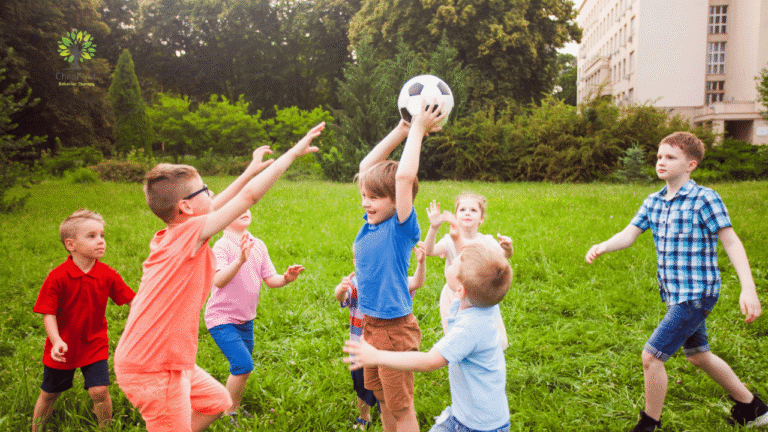
Individuals with autism often thrive in structured environments. ABA introduces structured social settings that provide clear expectations and guidelines for peer play. These settings may include organized games, group activities, and routines that help individuals with autism feel more comfortable and confident in social interactions. The predictability of structured settings can reduce anxiety and enhance the likelihood of positive peer play experiences.
Building Communication Skills through ABA
Communication is a cornerstone of social interactions. ABA interventions for autism often incorporate strategies to enhance communication skills, including both verbal and non-verbal communication. By teaching individuals with autism to express their needs, share experiences, and understand the perspectives of others, ABA contributes to the development of effective communication skills crucial for successful peer play.
Incorporating Interests and Preferences
One of the strengths of ABA is its individualized approach. Recognizing that individuals with autism often have unique interests and preferences, ABA tailors interventions to align with these personal likes. In the context of peer play, incorporating the child’s interests can enhance engagement and motivation. Whether it’s a shared interest in specific toys, activities, or topics, aligning peer play with individual preferences creates a more enjoyable and rewarding experience.
Generalization and Real-World Application
ABA aims to promote the generalization of learned skills to real-world situations. In the context of peer play, this means ensuring that the social skills acquired in structured settings extend to spontaneous and unscripted interactions. ABA practitioners work towards helping individuals with autism apply their learned social skills in various social contexts, ensuring that the benefits of intervention are sustained beyond the therapy sessions.
Collaboration with Peers and Educators
Facilitating positive peer interactions for individuals with autism requires collaboration between ABA practitioners, peers, and educators. ABA techniques can be shared with classmates, friends, and teachers to create a supportive network that reinforces positive social behaviors. Educators play a crucial role in implementing ABA strategies within the school environment, fostering an inclusive atmosphere that promotes understanding of Autism and acceptance.
Conclusion
In the journey of fostering positive social interactions for individuals with autism, Applied Behavior Analysis emerges as a valuable tool. By breaking down social skills, emphasizing positive reinforcement, and creating structured environments, ABA contributes to the development of essential social skills, including those required for successful peer play. As we navigate the complexities of autism, a collaborative and holistic approach that considers individual preferences and challenges ensures that we create inclusive spaces where everyone can thrive.
FAQ’s
What is Applied Behavior Analysis (ABA), and how does it relate to autism and peer play?
ABA is a therapeutic approach that focuses on understanding and modifying behavior. In the context of autism and peer play, ABA is employed to break down social skills into manageable tasks, fostering positive interactions.
How does ABA use positive reinforcement to enhance social skills in individuals with autism?
ABA places a significant emphasis on positive reinforcement, where desirable behaviors are identified and reinforced. In peer play, this could involve praising a child for sharing toys or showing positive non-verbal cues, creating a supportive environment that encourages socially acceptable actions.
Why is creating structured social settings important for individuals with autism in the context of peer play?
Structured social settings, introduced through ABA, provide clear expectations and guidelines for peer play. This structured approach helps individuals with autism feel more comfortable and confident in social interactions, reducing anxiety and promoting positive experiences.
How does ABA contribute to the development of communication skills in individuals with autism during peer play?
ABA interventions for autism incorporate strategies to enhance communication skills, including both verbal and non-verbal communication. By teaching individuals with autism to express their needs and understand others, ABA plays a crucial role in effective communication during peer play.
Can you explain the concept of generalization in the context of ABA and its impact on peer play for individuals with autism?
ABA aims to promote the generalization of learned social skills to real-world situations. In the context of peer play, this ensures that the skills acquired in structured settings extend to spontaneous and unscripted interactions, fostering sustained positive experiences.
How can educators and peers collaborate to support positive peer interactions for individuals with autism using ABA techniques?
Collaboration between ABA practitioners, educators, and peers is crucial. ABA techniques can be shared to create a supportive network that reinforces positive social behaviors. Educators play a vital role in implementing ABA strategies in school, fostering an inclusive atmosphere.