Building Positive Relationships with Teachers for Children with Autism
Children with autism spectrum disorder (ASD) often face unique challenges in the classroom environment. Establishing positive relationships between these students and their teachers is crucial for fostering academic progress, social development, and overall well-being. In this article, we will explore strategies for building positive relationships between teachers and children with autism, understanding their needs, and creating an inclusive learning environment.
Understanding Autism
Autism spectrum disorder is a neurodevelopmental condition characterized by challenges in social interaction, communication, and repetitive behaviors. Each child with autism is unique, with varying strengths, weaknesses, and specific needs. Understanding the individual needs and preferences of each student is fundamental to creating a supportive educational experience. For families in Arlington Heights, IL, considering in-home ABA therapy, this personalized approach is crucial in fostering progress and enhancing the overall well-being of the child with In-home ABA Therapy Arlington Heights, IL.
Effective Communication
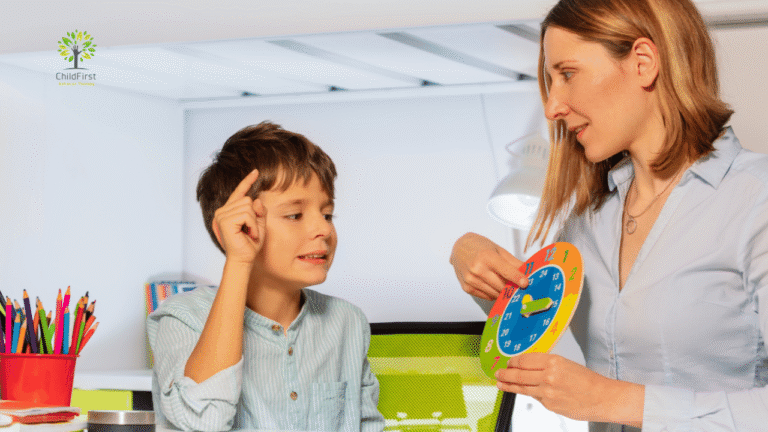
Effective communication is critical to building positive relationships. Teachers should establish open lines of communication with both the student and their caregivers. They should learn about the child’s interests, communication style, and any specific triggers or challenges they may face. Using visual aids, such as picture schedules or social stories, can help children with autism understand classroom routines and expectations.
Empathy and Patience
Empathy and patience are essential qualities for teachers working with children with autism. It’s important to recognize that behaviors exhibited by these students may stem from afferent overload, anxiety, or difficulty expressing their needs. Rather than reacting with frustration or punishment, teachers should approach challenging behaviors with understanding and support.
Individualized Support
Every child with autism has unique strengths and challenges. Teachers should collaborate with parents, exceptional education professionals, and therapists to develop individualized education plans (IEPs) tailored to each student’s needs. This may include accommodations such as preferential seating, afferent breaks, or modified assignments to support academic success.
Promoting Inclusion
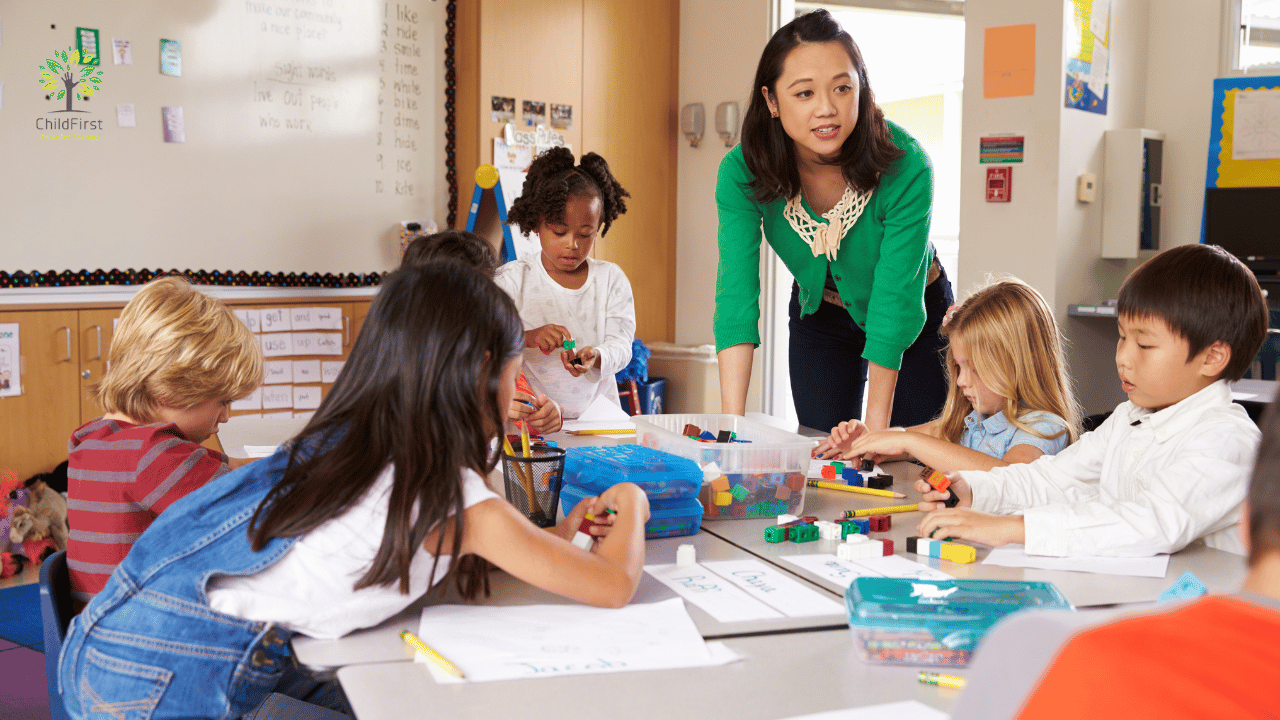
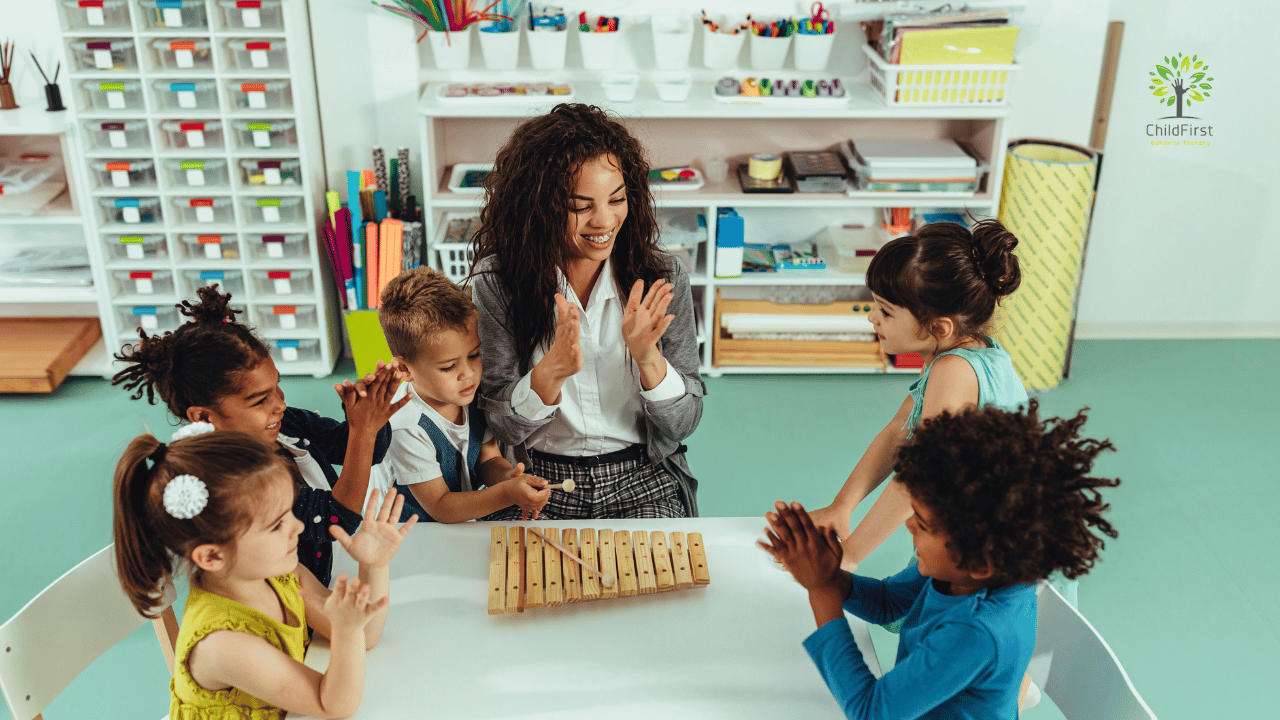
Creating an inclusive classroom environment benefits all students, including those with autism. Teachers can promote inclusion by fostering peer acceptance and understanding. Encouraging classmates to engage in activities that accommodate the needs of their ASD peers can help build friendships and reduce social isolation.
Autism-friendly Environment
Many children with autism experience specific needs, such as sensitivity to noise, bright lights, or textures. Teachers can create an autism-friendly environment by minimizing distractions, providing afferent tools like fidget toys or noise-canceling headphones, and offering quiet spaces for students to retreat to when overwhelmed.
Positive Reinforcement and Rewards
Positive reinforcement is a powerful tool for encouraging desired behaviors in children with autism. Teachers should praise and reward students for their efforts and achievements, no matter how small. This could include verbal praise, stickers, or preferred activities as incentives for completing tasks or demonstrating positive social skills.
Professional Development and Training
Teachers need continued professional development and training to effectively support students with autism. Workshops, seminars, and online courses can provide educators with strategies for understanding autism, implementing evidence-based practices, and fostering positive relationships with their students.
Collaborative Approach
In addition to the efforts made within the classroom, collaboration with other professionals is crucial in supporting children with autism. This includes working closely with special education teachers, speech therapists, occupational therapists, and behavior specialists to address the diverse needs of students. By pooling resources and expertise, educators can develop comprehensive support plans that effectively address academic, social, and behavioral challenges.
Flexibility and Adaptability
Flexibility and adaptability are essential qualities for teachers working with children with autism. Educational plans and strategies may need to be adjusted regularly based on the student’s progress, changing needs, and individual preferences. Teachers should be open to trying new approaches and modifying existing strategies to support the child’s learning and development best.
Building Trust
Building trust is foundational to any positive relationship. Children with autism may have difficulty trusting others due to challenges in understanding social cues and interpreting intentions. Teachers can build trust by consistently demonstrating understanding, patience, and respect for the child’s unique abilities and challenges. Creating a safe and supportive classroom environment where students feel valued and accepted is essential for fostering trust and rapport.
Family Involvement
Family involvement plays a critical role in supporting the education and well-being of children with autism. Teachers should maintain regular communication with parents or caregivers, providing updates on the child’s progress, sharing support strategies, and soliciting input on educational goals and priorities. Collaborating with families ensures that support strategies are consistent across home and school settings, promoting continuity and reinforcing learning.
Celebrating Diversity
It’s essential to celebrate the diversity of strengths and abilities within the classroom. Children with autism bring unique perspectives and talents to the learning environment, enriching the educational experience for everyone. Teachers can foster a culture of acceptance and celebration of diversity by highlighting each student’s strengths, interests, and contributions to the classroom community.
Promoting Self-Advocacy
Empowering children with autism to advocate for their own needs is an essential aspect of fostering independence and self-confidence. Teachers can support self-advocacy skills by teaching students to recognize and communicate their preferences, strengths, and challenges. Providing opportunities for students to make choices, solve problems, and express themselves encourages self-determination and autonomy.
Continued Support and Growth
Building positive relationships with children with autism is an ongoing process that requires dedication, patience, and ongoing support. Teachers should continually seek feedback from students, families, and colleagues, reflecting on their practices and identifying areas for growth. By embracing a mindset of continuous improvement and learning, educators can better meet the diverse needs of their students and create meaningful learning experiences for all.
Conclusion
Building positive relationships between teachers and children with autism is essential for promoting academic achievement, social development, and overall well-being. By fostering understanding, empathy, and collaboration, educators can create inclusive learning environments where every child feels valued, supported, and empowered to succeed. Through ongoing dedication and commitment, we can ensure that all children, regardless of their neurodiversity, have access to the resources and support they need to thrive in school and beyond.
Unlock the full potential of your child with ChildFirst Behavior Therapy! Our dedicated team of experts is committed to nurturing your child’s behavioral development at every turn. Led by Board Certified Behavior Analysts and Registered Behavior Technicians, we offer individualized care designed specifically for your child’s requirements.
Give your child the opportunity for success and book a consultation with us today for ABA Therapy Services at ChildFirst Behavior Therapy to schedule your consultation.
FAQs
What is an autism spectrum disorder (ASD), and why is building positive relationships with teachers important for children with autism?
Autism spectrum disorder (ASD) is a neurodevelopmental condition characterized by challenges in social interaction, communication, and repetitive behaviors. Building positive relationships with teachers is crucial for children with autism as it fosters academic progress, social development, and overall well-being by creating a supportive educational environment tailored to their unique needs.
How can teachers effectively communicate with children with autism and their caregivers?
Teachers can establish open lines of communication by learning about the child’s interests, communication style, and specific triggers or challenges they may face. Using visual aids such as picture schedules or social stories can help children with autism understand classroom routines and expectations. Regular communication with caregivers is also essential for maintaining consistency and addressing any concerns or updates regarding the child’s progress.
Why are empathy and patience important when working with children with autism?
Empathy and patience are essential qualities for teachers working with children with autism. They help them understand that behaviors exhibited by these students may stem from afferent overload, anxiety, or difficulty expressing their needs. Instead of reacting with frustration or punishment, teachers should approach challenging behaviors with understanding and support, creating a safe and inclusive learning environment.
How can teachers provide individualized support to children with autism in the classroom?
Teachers should collaborate with parents, exceptional education professionals, and therapists to develop individualized education plans (IEPs) tailored to each student’s needs. This may include accommodations such as preferential seating, afferent breaks, or modified assignments to support academic success and address specific challenges faced by the child.
What strategies can teachers use to promote inclusion in the classroom for children with autism?
Teachers can promote inclusion by fostering peer acceptance and understanding, encouraging classmates to engage in activities that accommodate the needs of their ASD peers, and creating a supportive classroom environment where all students feel valued and accepted.
How can teachers create an autism-friendly environment for children with autism?
Teachers can create an autism-friendly environment by minimizing distractions, providing afferent tools like fidget toys or noise-canceling headphones, and offering quiet spaces for students to retreat to when overwhelmed. By addressing specific needs, teachers can create a more comfortable learning environment for children with autism.
Why is positive reinforcement necessary for children with autism, and how can teachers implement it effectively?
Positive reinforcement is a powerful tool for encouraging desired behaviors in children with autism. Teachers can praise and reward students for their efforts and achievements, no matter how small, using verbal praise, stickers, or preferred activities as incentives for demonstrating positive social skills or completing tasks.
How can teachers continue to develop their skills in supporting children with autism?
Teachers need continued professional development and training to effectively support students with autism. Workshops, seminars, and online courses can provide educators with strategies for understanding autism, implementing evidence-based practices, and fostering positive relationships with their students.
Why is collaboration with other professionals important in supporting children with autism?
Collaboration with other professionals, such as special education teachers, speech therapists, occupational therapists, and behavior specialists, is crucial in addressing the diverse needs of students with autism. By pooling resources and expertise, educators can develop comprehensive support plans that effectively address academic, social, and behavioral challenges.
How can teachers build trust with children with autism and their families?
Teachers can build trust by consistently demonstrating understanding, patience, and respect for the child’s unique abilities and challenges. Creating a safe and supportive classroom environment where students feel valued and accepted is essential for fostering trust and rapport. Maintaining regular communication with families and soliciting their input on educational goals and strategies also helps build confidence and collaboration.